Beyond the Formation: Eight Ideas That Shape the Game
From Ferguson to Guardiola: how movement, pressing and relationships bring formations to life.
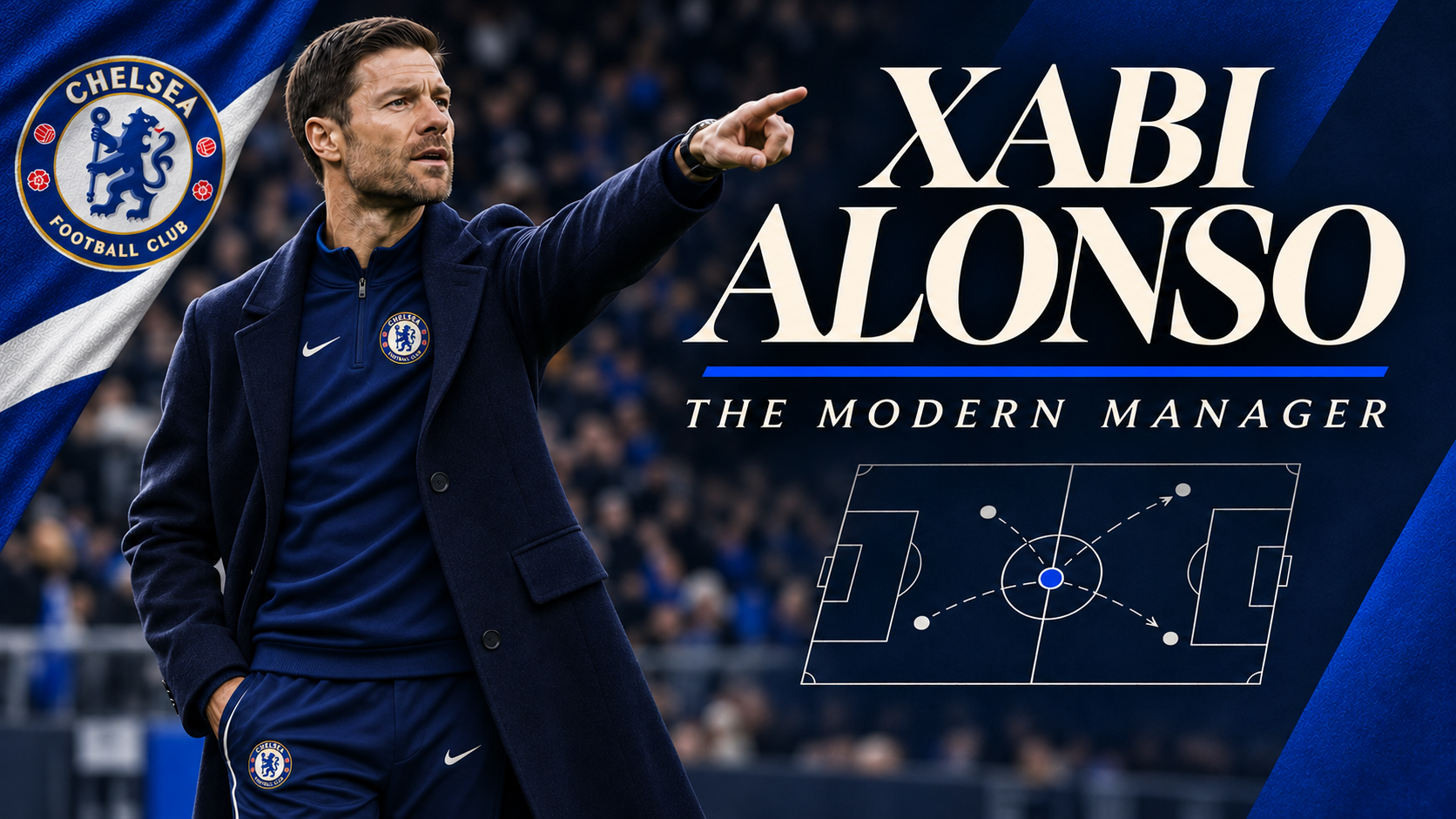
Numbers tell us where a team may start. They do not explain its decisions after losing the ball, the spaces it protects or the way it moves an opponent. These eight coaching perspectives show how different principles can give a formation its meaning.
Ferguson: structure with movement
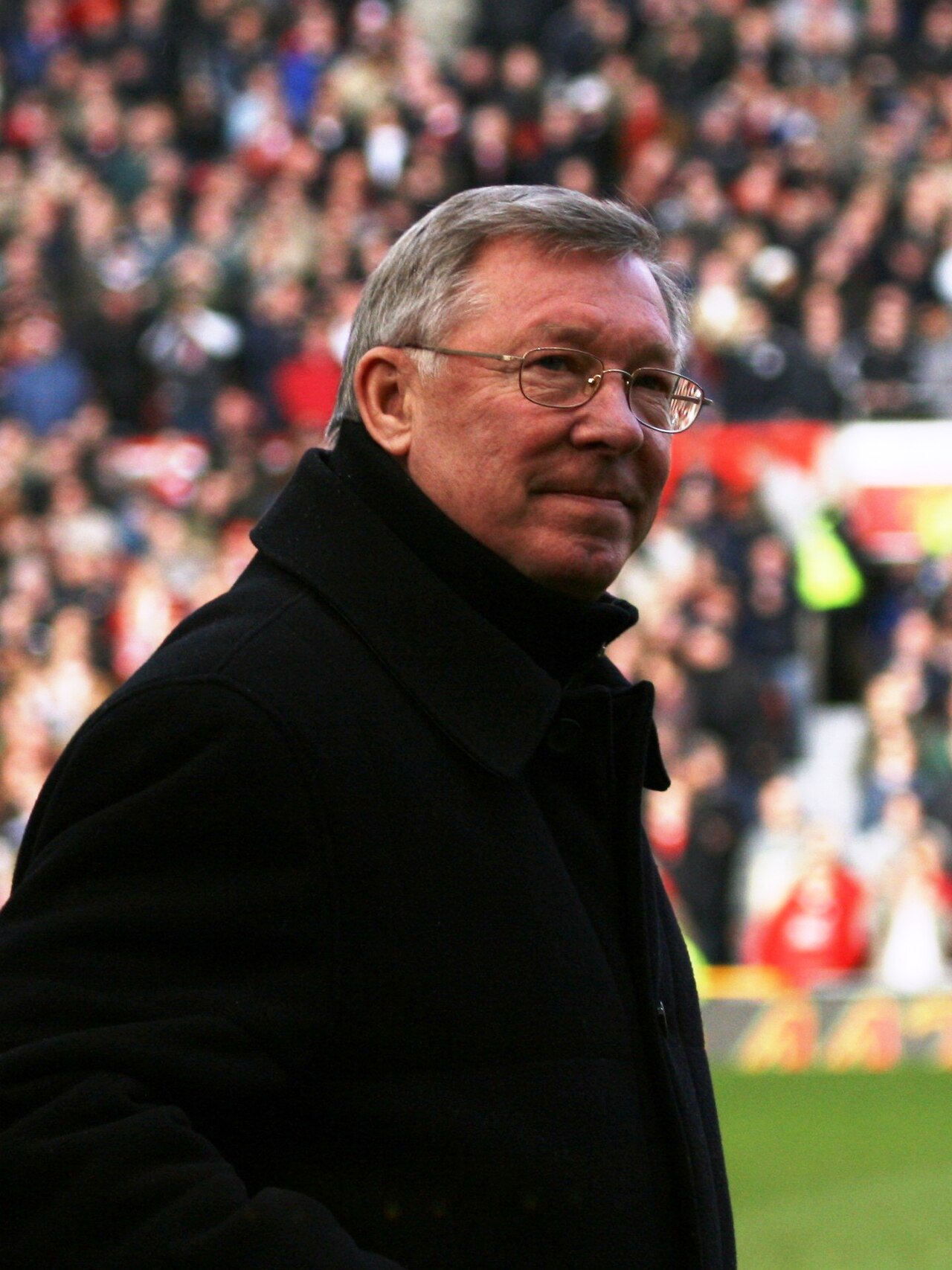
A 4-4-2 can be far more than two static lines. Forwards can exchange depth and support, wide players stretch the pitch, and the central pair balance the attack. Ferguson’s United demonstrates how individual relationships make a familiar shape dynamic. Against a three-player midfield, the central pair may nevertheless need support from the wider structure.
Player examplesSir Alex Ferguson · Manchester United
Illustrative formation
Mourinho: directing the opponent
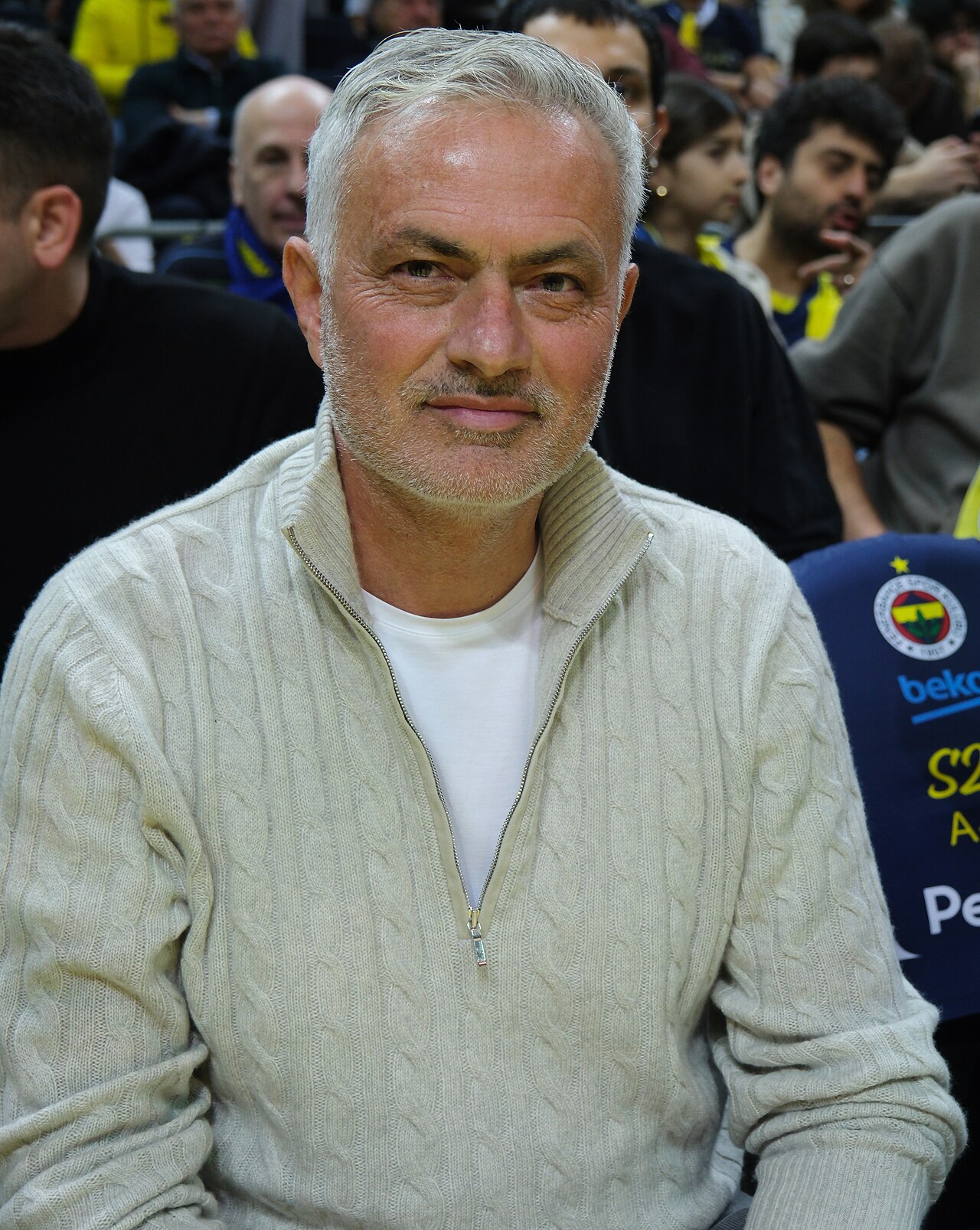
Compact distances can close central passing lanes and encourage the opponent towards less dangerous areas. Mourinho’s Inter provides a reference for combining defensive organisation with quick forward transitions. A deep block still concedes space elsewhere, so pressure, support and the timing of the first pass matter.
Player examplesJosé Mourinho · Inter
Illustrative formation
Klopp: the moment after losing the ball
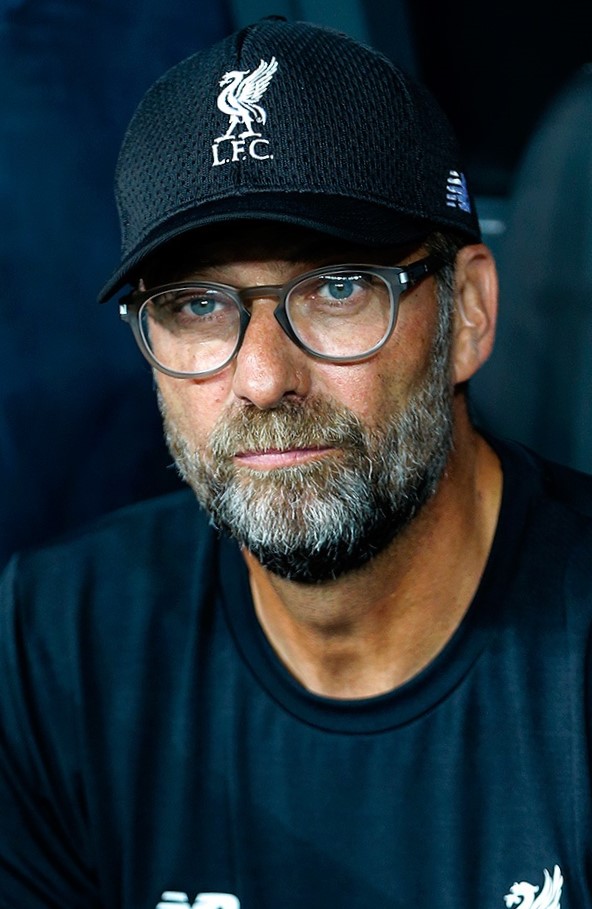
Counterpressing aims to recover possession or delay the opponent immediately after a turnover. The nearest players close routes while teammates protect the space behind. Klopp’s teams offer a useful reference, but the timing is not an inflexible number of seconds: it depends on distances, pressure and the opportunity to regroup.
Player examplesJürgen Klopp · Borussia Dortmund · Liverpool
Illustrative formation
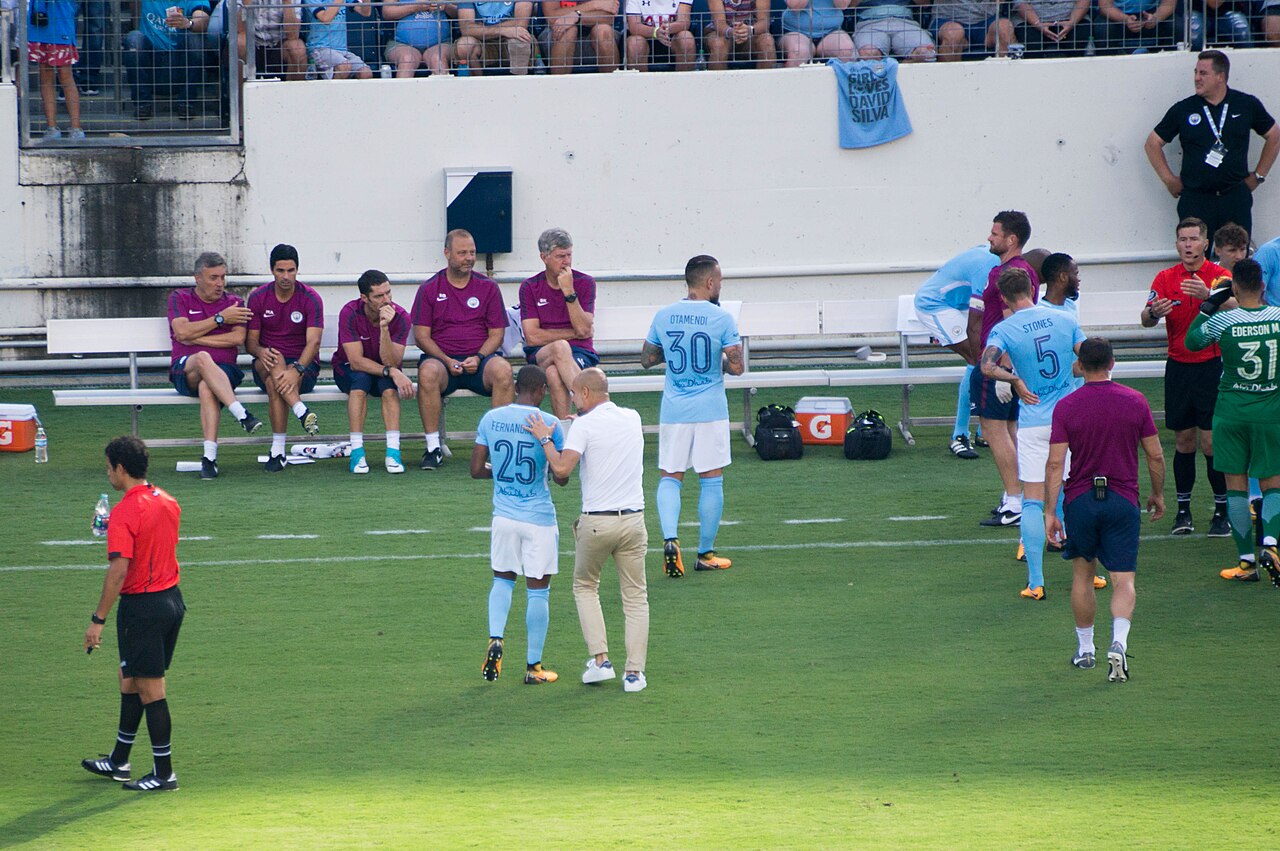
Guardiola: a shape that changes with possession
The team sheet may say 4-3-3 while possession brings a different arrangement. At times a defender steps into midfield and the team builds with a 3-2-5 structure. The objective is to create useful passing angles and occupy the width and inside channels. The pattern varies by match; advanced positioning also requires protection against transitions.
Player examplesPep Guardiola · Manchester City
Illustrative formation
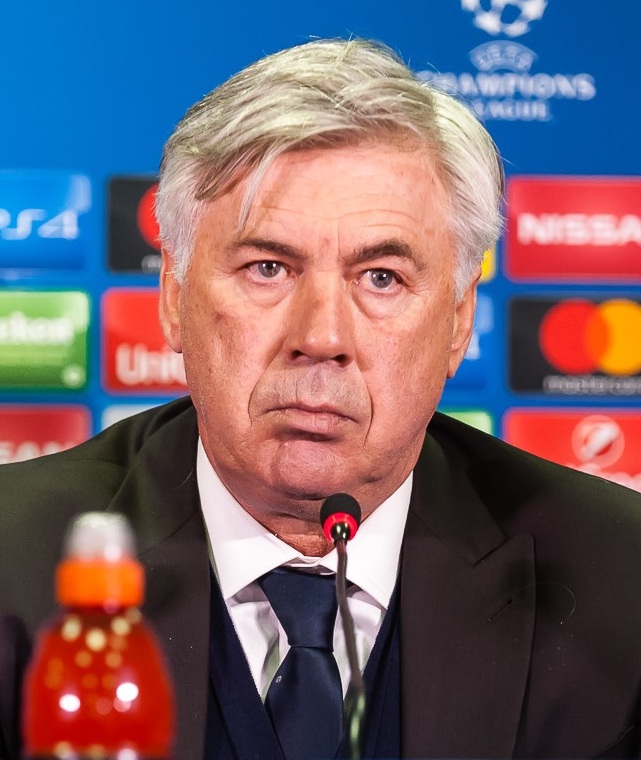
Ancelotti: adapting the plan
A narrow midfield can support combinations through the centre, while another opponent may call for a different defensive shape. Ancelotti’s teams illustrate adaptation to players and match demands. A formation is a starting point; changing it only helps when the roles and movements are understood.
Player examplesCarlo Ancelotti · AC Milan · Real Madrid
Illustrative formation
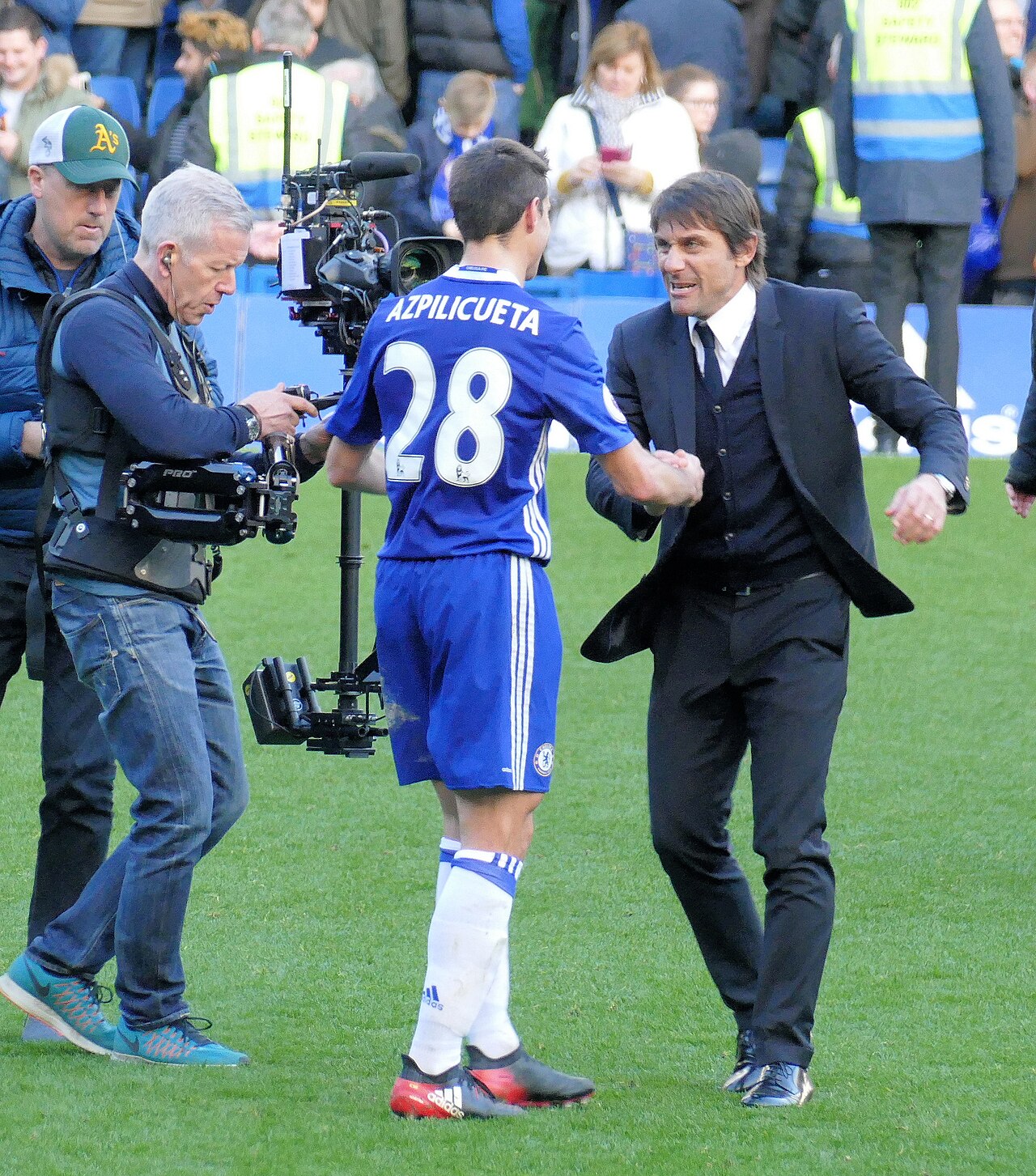
Conte: width from the wing-backs
A three-centre-back base can support wing-backs who provide width in attack and recover into the defensive line. Conte’s Chelsea illustrates the value of those repeated movements and the relationships behind them. The trade-off is the space that can appear when an advanced wing-back is caught ahead of the ball.
Player examplesAntonio Conte · Chelsea
Illustrative formation
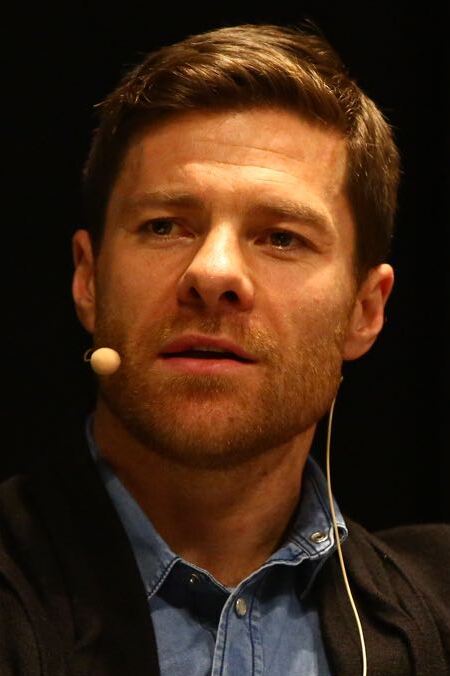
Xabi Alonso: positioning with a purpose
A starting shape can become a different possession structure through rotations and advanced wide players. Alonso’s Leverkusen offers a reference for combining positional support with direct attacks into newly opened space. The exact arrangement changes with the opponent, and aggressive positioning must be balanced against transition risk.
Player examplesXabi Alonso · Bayer Leverkusen
Illustrative formation
Wenger: movement brings the shape to life
A 4-4-2 gave Arsenal a starting structure, while forwards dropping or moving wide and midfield runners entering space created changing relationships. Wenger’s Arsenal shows why a formation alone cannot describe an attack: decisions, technical execution and coordination turn positions into opportunities.
Player examplesArsène Wenger · Arsenal

Illustrative formation
Read the relationship, not just the role
A formation is a starting point, not a complete playing model. The right answer depends on the players, the opponent and the phase of the match. Follow the relationships between players and the decisions behind each movement to understand the system.