Football Scouting Terms: A Practical Guide to the Game
From build-up and pressing to xG and half-spaces: the language behind football analysis.
Football analysis uses many names for familiar actions and new ideas. This guide explains the language of roles, space, pressing and data, with illustrative boards and room for differences between data providers.
Goalkeeping and the defensive line
The first decisions concern the space around the goal and the height of the defensive unit.
Sweeper-keeper / Libero kaleci
A goalkeeper who comes off the line to cover space behind the defence and can help build possession.
Clean sheet
A team or goalkeeper completes a match without conceding a goal.
xG / xGOT
xG estimates shot quality before the shot; xGOT evaluates on-target shots using information about the shot itself, such as placement. Models differ between providers.
Defensive line / Offside trap
The defensive line describes the defenders’ positioning. An offside trap is a coordinated attempt to put an attacker in an offside position; it does not require a line at halfway.
Illustrative formation
Build-up and protection
Build-up combines passing and movement to progress possession. The pace and structure depend on the opponent.
Build-up / Oyun kurma
The organised progression of possession, often from a deeper area. A team can use short combinations, direct passes or both.
Slow / fast build-up
A patient approach circulates the ball to create an opening; a faster approach seeks to attack before the opponent is organised.
3-2-5 / 2-3-5
Possible in-possession arrangements: three or two deeper players, a supporting line and five advanced players. They describe a phase, not a fixed team sheet.
Rest defence / Hücum güvenliği
The positions and defensive preparation a team maintains while attacking to deal with a possible turnover.
Juego de posición / Pozisyon oyunu
A family of positional principles concerned with spacing, passing angles and creating advantages. Details vary by coach and match.
Illustrative formation
Defensive actions and compactness
Winning a duel, cutting a pass and collecting a loose ball are different actions.
Tackle / Müdahale
An attempt to take the ball from an opponent in possession.
Interception / Pas arası
Cutting out an opponent’s pass before it reaches its target.
Recovery / Top kazanımı
A recovery generally records gaining a loose ball; exact event rules differ by provider.
Compactness / Kompaktlık
Small distances between teammates and lines, vertically and horizontally, make central space harder to use.
Low block / high block
A block describes the positioning of the team’s collective defensive shape. Low and high refer to where that shape engages, not only the back line.
Illustrative formation
Midfield roles
These names describe emphases, not exclusive national definitions. A player can combine roles.
Pivot / Holding midfielder
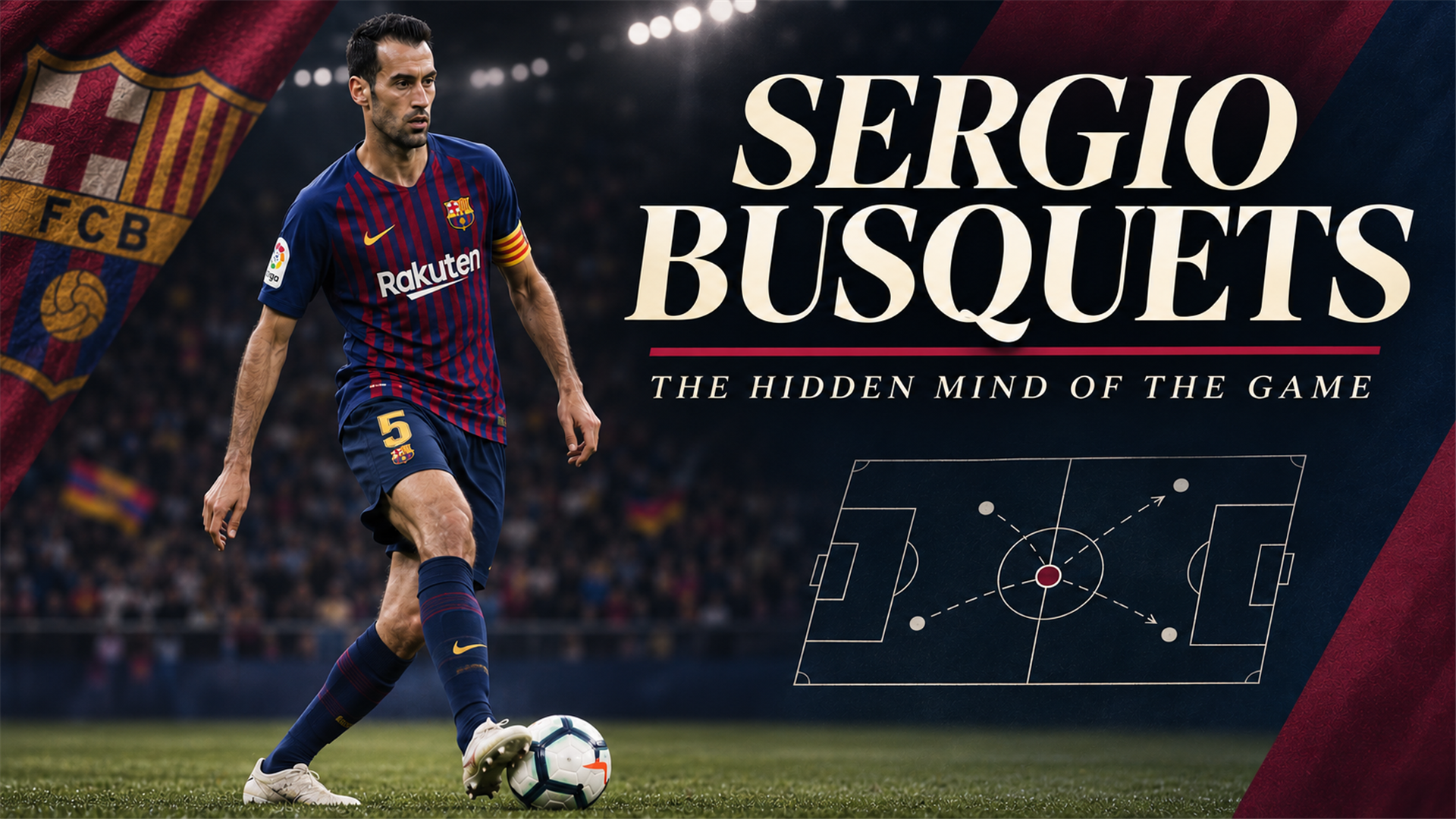
A central reference point who offers a passing option and protects space; Sergio Busquets provides one example. Movement depends on the team’s structure.
Regista / Spielgestalter
A deep playmaker directs possession and passing. Spielgestalter is a broader German word for a playmaker, not exclusively a number six.
Staubsauger
Literally a vacuum cleaner: an informal description of a ball-winning, space-covering midfielder.
Box-to-box
A midfielder who contributes at both ends, moving between defence and attack.
Mezzala
A central midfielder who often moves into a half-space or towards the flank.
Illustrative formation
Half-spaces and cutbacks
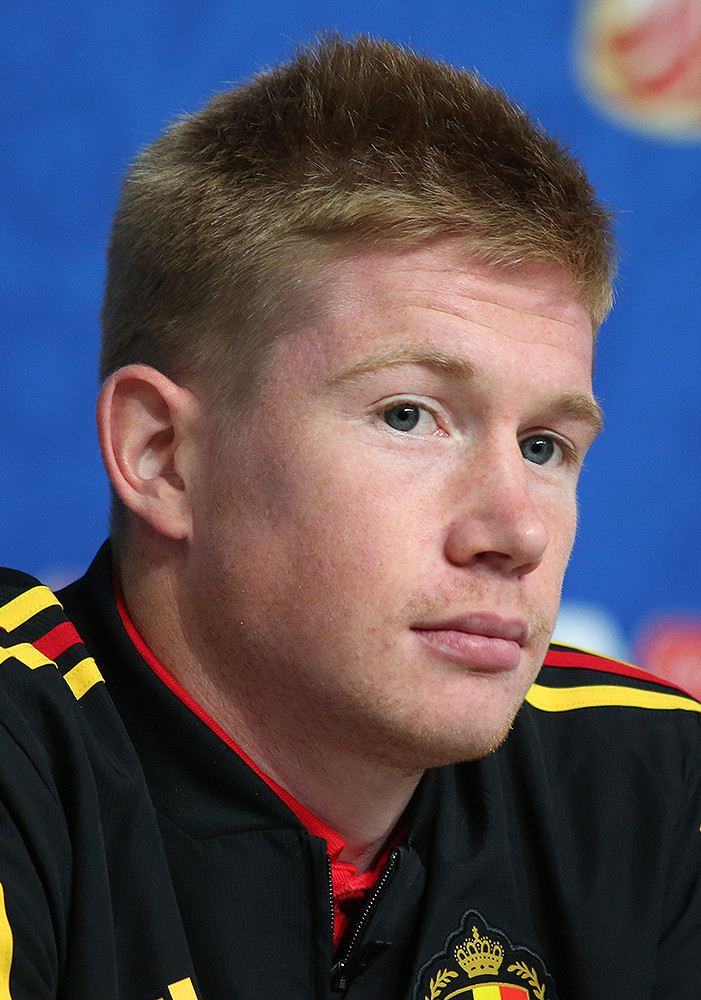
The space between the centre and the touchline can provide useful angles into the box; Kevin De Bruyne offers one example of receiving and creating from this channel.
Half-space / Yarım alan
The vertical channel between the central lane and the wing; its boundaries are a tactical model rather than fixed pitch markings.
Assist zone / Asist bölgesi
An informal label for dangerous passing areas near the penalty area. Its exact boundaries and reported percentages depend on the analysis.
Cutback / Geriye çıkarılan pas
A pass played backwards or diagonally backwards from an advanced position towards a teammate.
Illustrative formation
Passing and progression metrics
A metric depends on its provider’s definitions and the context of the match.
La pausa
A deliberate pause on the ball that can change the timing of a defender’s decision or a teammate’s run.
Scanning / Çevre kontrolü
Looking around before or during possession to gather information about space, pressure and teammates.
Third-man run / Üçüncü adam koşusu
A move in which a connecting player helps release a third teammate who is difficult to reach directly.
Progressive pass / carry
Actions that meaningfully advance the ball towards the opponent’s goal. Distance thresholds and starting zones vary between providers.
Line-breaking pass
A pass that bypasses an opposition line; what counts as a broken line depends on the data model.
Key pass / chance created
A pass that creates a shot. Some providers count assists separately from key passes, so consult the definition.
Deep completion
A completed pass into a specified area close to the opposing goal; the radius and exclusions vary by provider.
Illustrative formation
The number ten and the space between lines
Creative players use central pockets and half-spaces to receive, turn and connect the attack.
Zone 14
In a common 18-zone model, the central area immediately outside the penalty box.
Trequartista / Enganche
Related playmaking profiles between midfield and attack; the terms have distinct histories and are not perfect synonyms.
Between the lines
Space between opposition units, where awareness of pressure from several directions is particularly valuable.
Illustrative formation
Full-backs and wide rotations
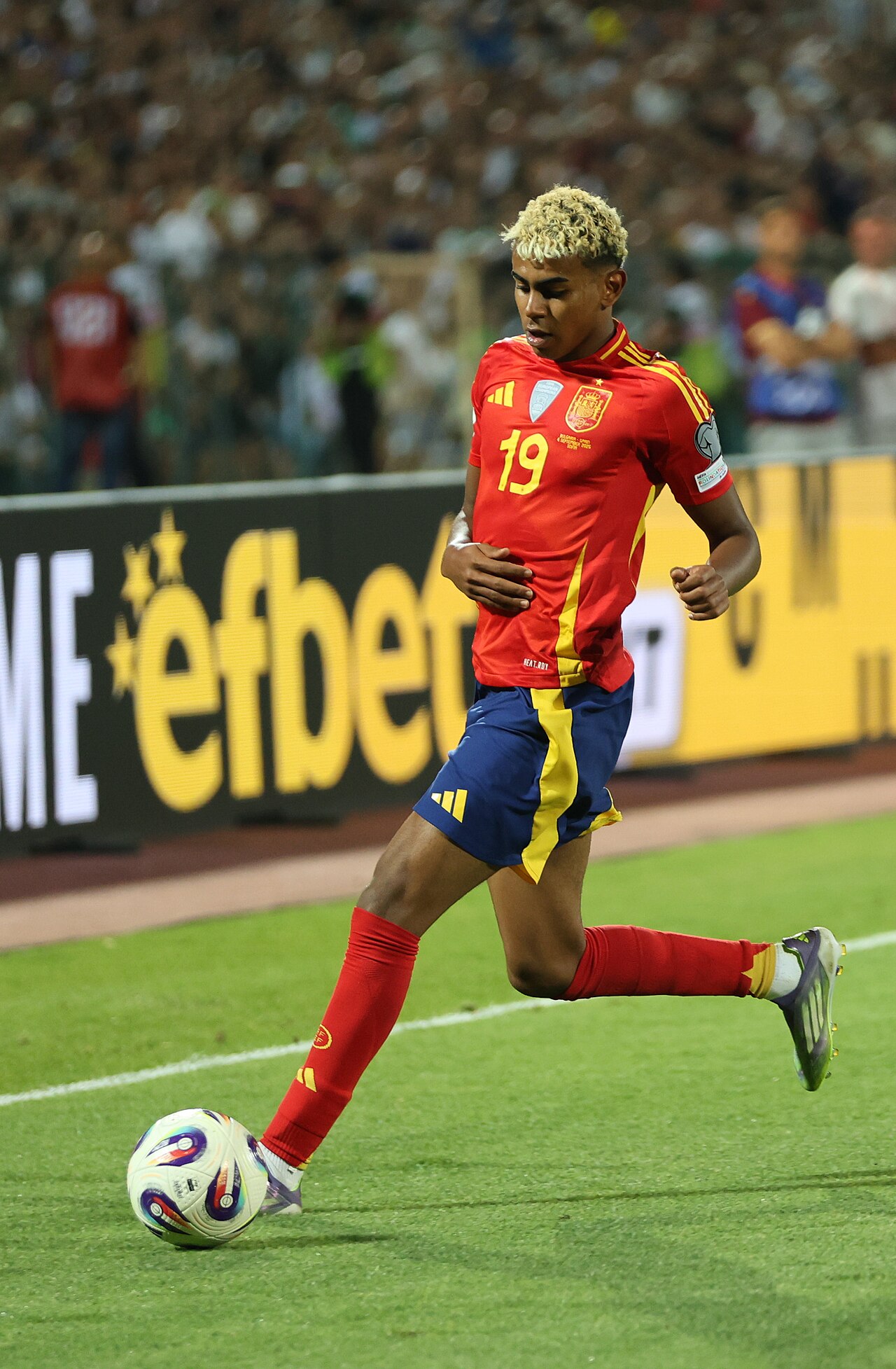
Wide players such as Lamine Yamal and their supporting full-backs can exchange positions to create passing lanes or free a teammate.
Inverted full-back / İçe kayan bek
A full-back who moves towards central areas, often during possession.
Overlap / Underlap
An overlap is a run outside the teammate with the ball; an underlap goes inside.
Wide rotation
Coordinated position exchanges among players on a flank. A rotation can support a third-player combination but is not automatically one.
Illustrative formation
Pressing, transitions and chances
These terms describe what happens as possession changes and how a team tries to regain control.
Gegenpress / Karşı pres
Immediate pressure after losing the ball, intended to recover it or delay the counterattack.
Transition / Geçiş
The change from attack to defence after losing possession, or defence to attack after regaining it.
High press / Pressing trigger
A high press engages the opponent high up the pitch; a trigger is a cue that tells players when to press.
PPDA
Opponent passes allowed per defensive action in a defined area. A lower figure can indicate more frequent defensive actions, but does not alone measure pressing quality.
Big chance
A high-quality scoring opportunity. Criteria differ by provider and are not limited to situations without a defender.
Goal conversion
Commonly goals divided by total shots; some sources instead report goals per shot on target, so check the denominator.
Sequence
A connected passage of play. Providers may end sequences at different events, including interruptions, even within one possession.
Illustrative formation
Heat maps and average position
A visualisation only means what its underlying data measures.
Heat map / Isı haritası
A map of activity density. Event-based maps may show touches, while tracking-based maps can include movement without the ball.
Average position / Ortalama konum
A summary of recorded locations. It may use events or tracking and can hide changes of role: two wide roles may average out centrally.
Illustrative formation
Read the relationship, not just the role
No term or metric tells the whole story on its own. Combine the definition with match context, tactical structure and direct observation.