Football Scouting Terms: A Practical Guide to the Game
From build-up and pressing to xG and half-spaces: the language behind football analysis. Football analysis uses many names for familiar actions and new ideas.
Scouting ideas, match observations and stories behind the game.
From build-up and pressing to xG and half-spaces: the language behind football analysis. Football analysis uses many names for familiar actions and new ideas.
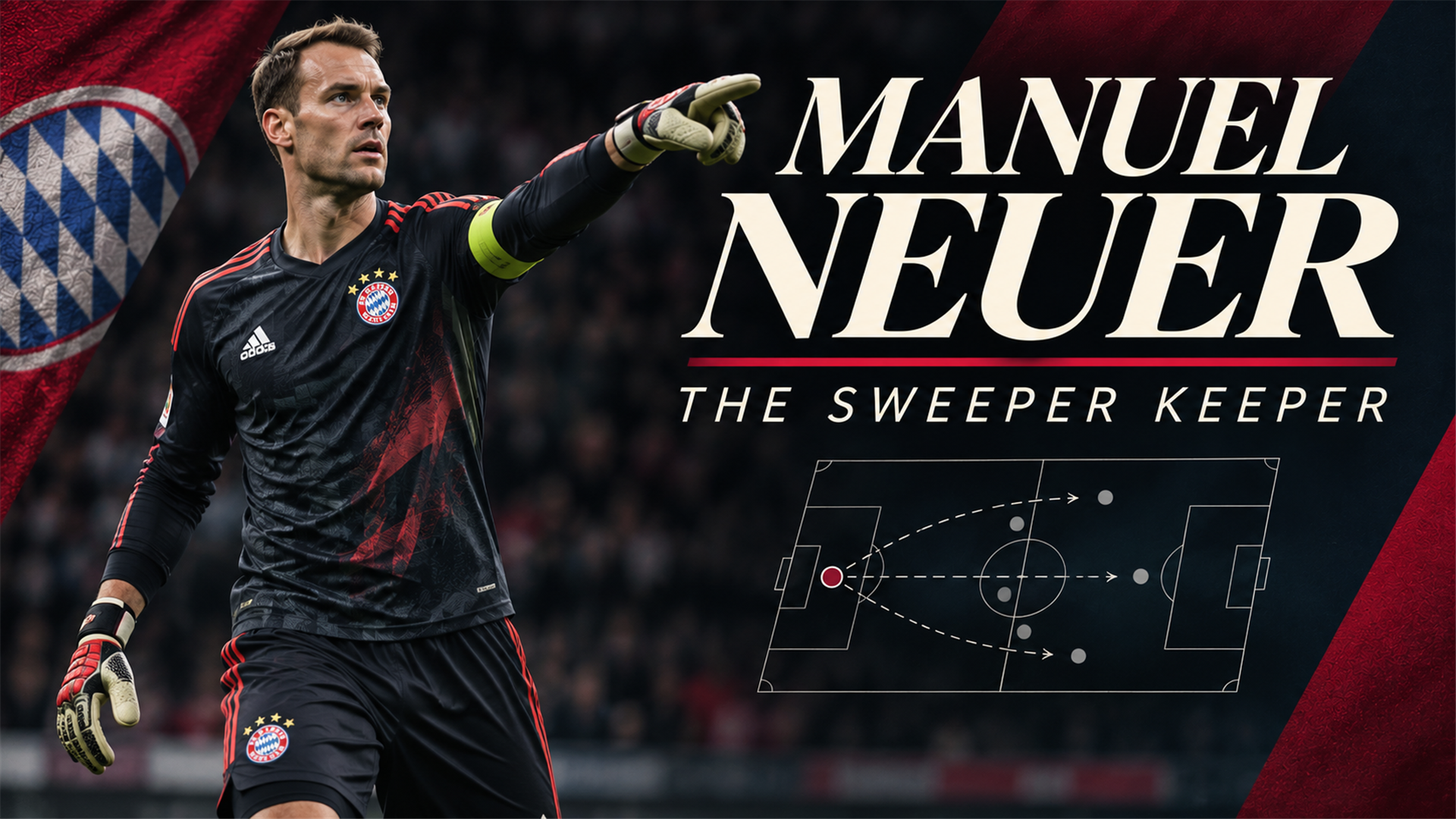
From the sweeper-keeper to the false nine: how players give a formation meaning through movement. A formation shows where players may begin, but their roles explain what they do.
From Mourinho’s direct transitions to De Zerbi’s invitation to press: ten ways to move the ball forward. Build-up is not a fixed sequence that always starts with the goalkeeper.
From Barcelona to Manchester: how position, movement and changing shapes make the numbers come alive. A formation is a starting point, not a complete picture of a team.
From Ferguson to Guardiola: how movement, pressing and relationships bring formations to life. Numbers tell us where a team may start.
From Arsenal’s combinations to Liverpool’s press: the relationships that make individual talent work together. A trio is more than three names on a team sheet.
Positioning, composure and adaptability: a scouting lens on the players who make the structure work. A system becomes real through the decisions of its players.
Patience, anticipation and collective timing: read defensive quality beyond the final tackle. A tackle is visible; the decisions that make it possible often are not.
Positioning, distribution, anticipation and leadership: read the goalkeeper’s full contribution to the game. The highlight reel shows the dive.
From the first touch to the blind spot: the details that make elite attackers difficult to contain. A defensive plan can be sound and still face difficult decisions.
From ball-carrying to cover shadows: read what a player does for the team, not just where they start. Why can a player be essential without dominating the headline statistics?
Beyond individual roles: how midfielders combine to protect, create and control the game. A midfielder’s quality cannot be read in isolation.