Three Players, One Idea: Nine Unforgettable Football Trios
From Arsenal’s combinations to Liverpool’s press: the relationships that make individual talent work together.
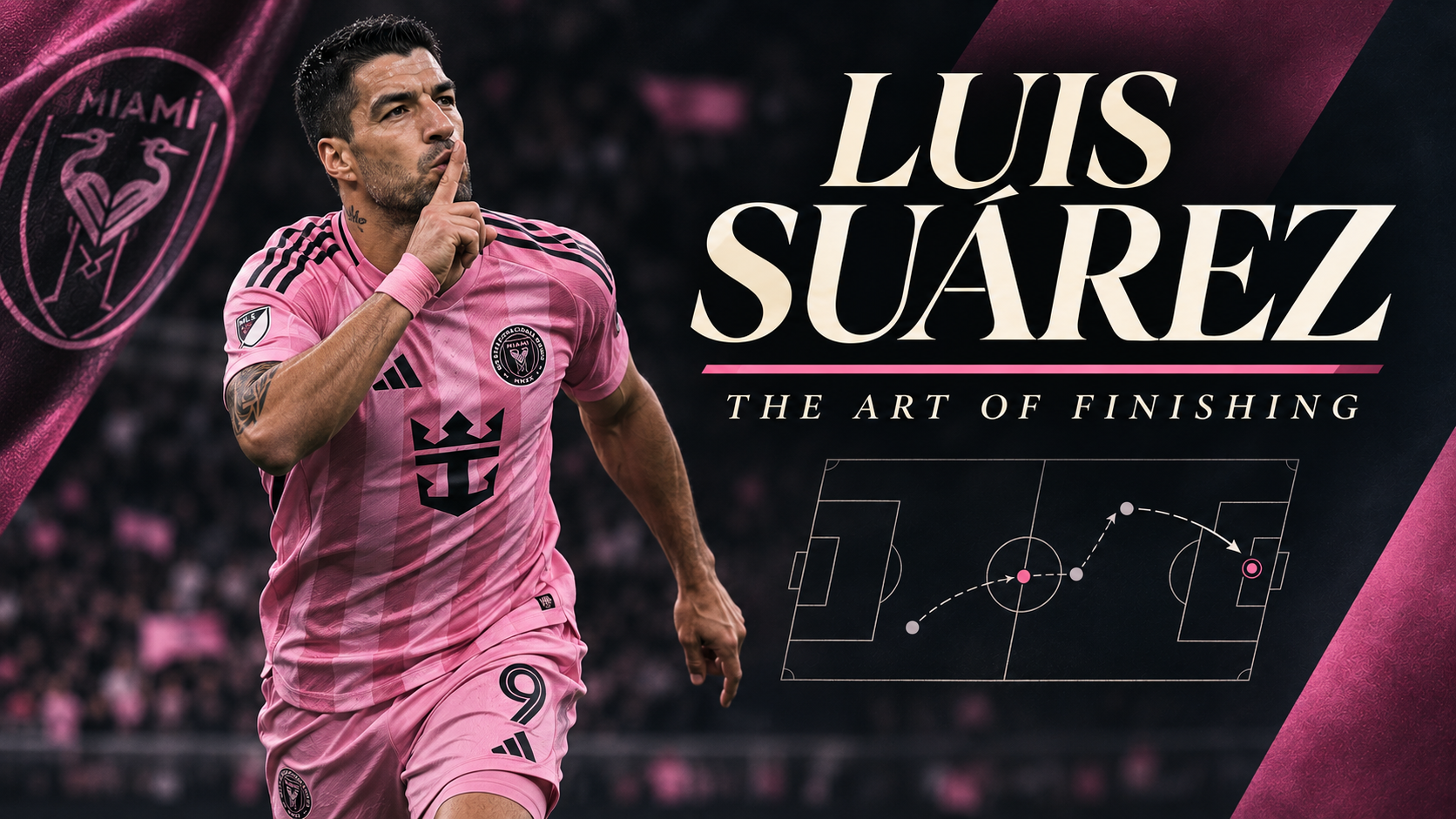
A trio is more than three names on a team sheet. Its value emerges when one player’s movement makes another’s decision easier. These nine examples span attacking units, midfield combinations and connections across lines. The diagrams explain relationships, not exact historical formations.
Arsenal: movement and connection
Henry’s movement from the left, Bergkamp’s linking and Pirès’s supporting runs could create several threats within the same attack. The value came from exchanging space: one received, another drew a defender and a third attacked the next gap. Their relationship worked within a wider team that supplied balance and service.
Player examplesThierry Henry · Dennis Bergkamp · Robert Pirès
Barcelona: freedom with a platform
Ronaldinho offered invention and one-on-one threat, Eto’o attacked depth and the goal, while Deco connected phases and supported possession. They were not a fixed front three: the trio connects midfield with attack. Their freedom depended on those complementary responsibilities rather than an absence of organisation.
Player examplesRonaldinho · Samuel Eto’o · Deco
Manchester United: different strengths, shared spaces
Ronaldo’s finishing and depth, Rooney’s linking and work rate, and Tevez’s movement and pressure offered different solutions. Interchanges made assignments harder for defenders, while someone still had to occupy the goal-threatening zones. Complementarity meant contributing without always being the final receiver.
Player examplesCristiano Ronaldo · Wayne Rooney · Carlos Tevez
Barcelona: controlling through connections
Busquets provided an anchor, Xavi organised passing rhythm and Iniesta helped break pressure and lines. These are emphases, not exclusive job descriptions. Their triangles offered the ball-carrier several options and helped the team remain connected after losing possession. Possession supported defending, but never removed the need to defend.
Player examplesSergio Busquets · Xavi · Andrés Iniesta
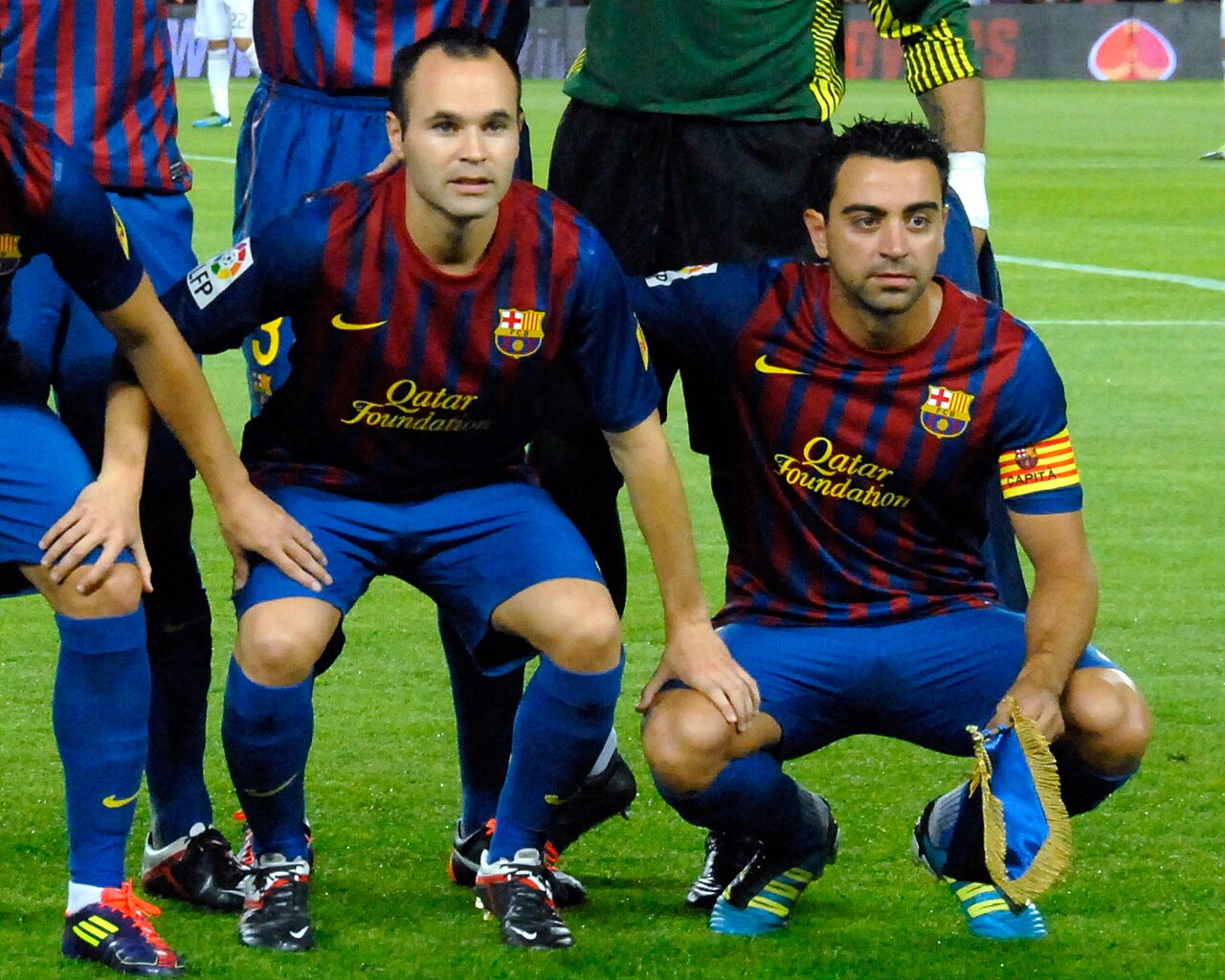
MSN: creation, depth and finishing
Messi could connect and create, Suárez occupied defenders and attacked the box, and Neymar threatened from the left. Their roles overlapped, with combinations and runs allowing one player’s skill to amplify another’s. Individual freedom was supported by midfield links and defensive work elsewhere in the team.
Player examplesLionel Messi · Luis Suárez · Neymar
BBC: the value of different tasks
Bale offered direct running and depth, Benzema linked play and moved defenders, and Ronaldo attacked scoring positions. This is a useful lens rather than a complete description of their games. Their threat also relied on midfield service, transitions and the rest of the team’s positioning.
Player examplesGareth Bale · Karim Benzema · Cristiano Ronaldo
Bayern: width and the player between
Robben’s movement inside from the right and Ribéry’s threat from the left stretched defensive choices. Müller could interpret the spaces between those actions, arriving where attention had shifted away. This was not always the entire front line: the centre-forward and supporting full-backs also shaped the available spaces.
Player examplesArjen Robben · Franck Ribéry · Thomas Müller
Liverpool: pressing and attacking as one
Firmino’s linking and pressing combined with the depth and scoring threat of Mané and Salah. Their defensive work could shape the next attack by directing the opponent towards a trap. Liverpool did not invent defending from the front; this trio showed a distinctive, effective combination of those responsibilities.
Player examplesSadio Mané · Roberto Firmino · Mohamed Salah
PSG: talent still needs a structure
Neymar’s creation, Mbappé’s depth and Cavani’s box movement offered considerable attacking quality. European outcomes cannot fairly be explained by chemistry alone: availability, opposition, defensive balance and coaching decisions all matter. This trio is a prompt to ask how responsibilities fit, not proof that expensive players cannot work together.
Player examplesNeymar · Kylian Mbappé · Edinson Cavani
Understanding is built, not simply bought
Talent can be recruited; understanding has to be developed. Complementary roles, repetition, coaching and the wider team turn individual quality into a useful relationship. Rather than choosing between freedom and structure, ask which structure allows these players to make each other better.