Modern Football Positions: Roles Beyond the Formation
From the sweeper-keeper to the false nine: how players give a formation meaning through movement.
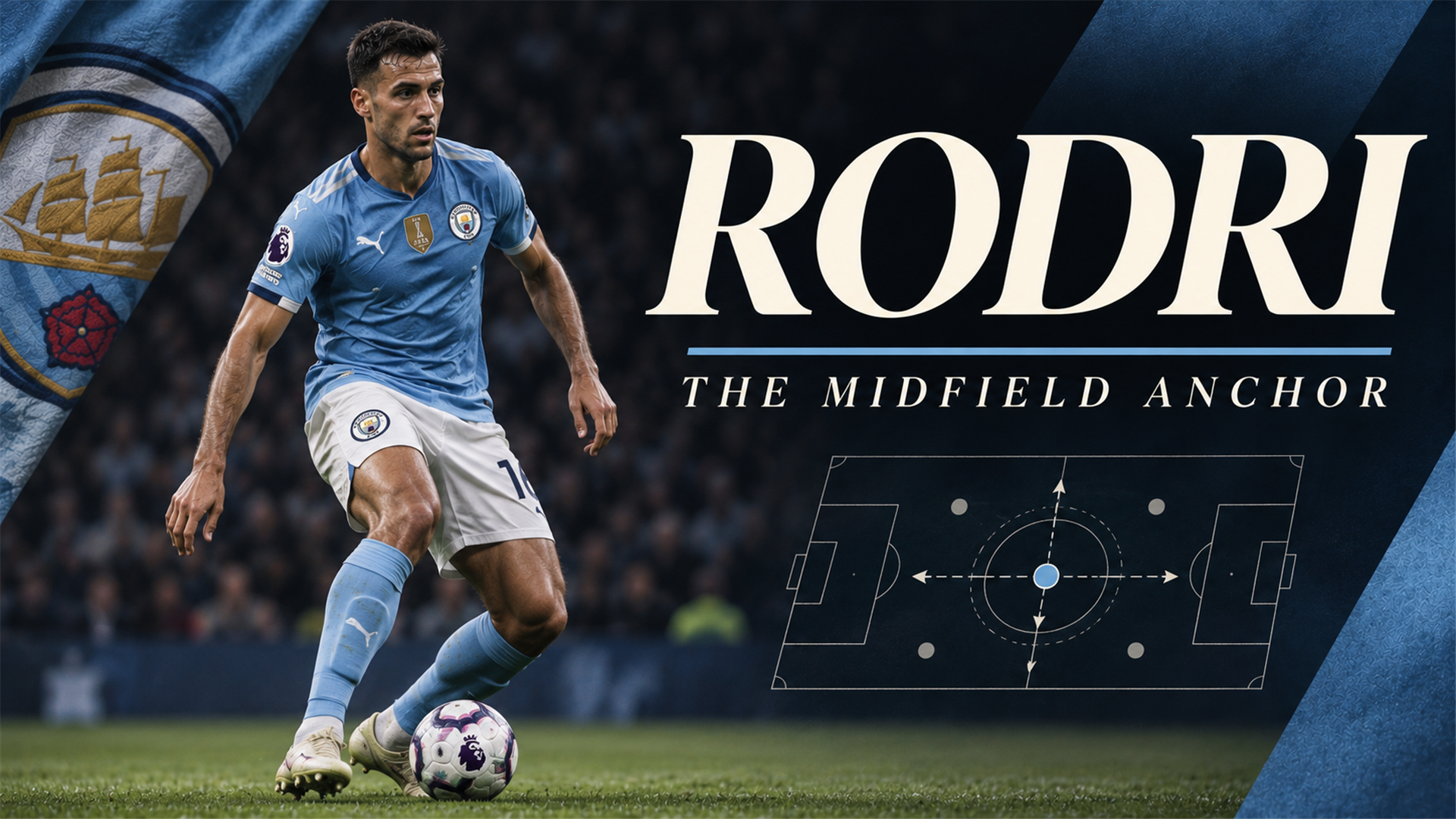
A formation shows where players may begin, but their roles explain what they do. A full-back can move into midfield, a centre-back can carry forward and a striker can drop between the lines. This guide follows those jobs across the pitch.
Goalkeeper: the first attacker
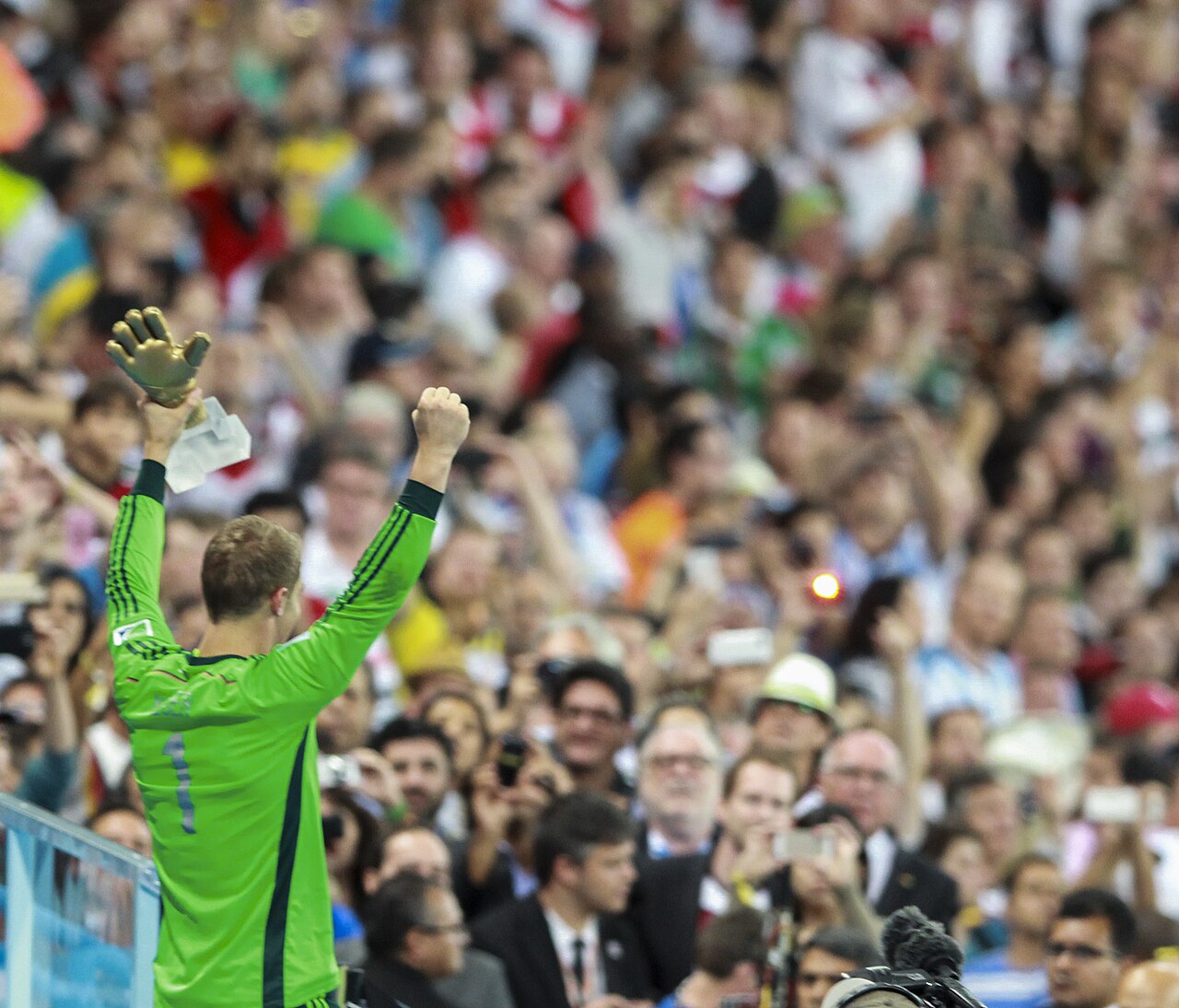
A goalkeeper still needs positioning and shot-stopping, but can also defend space behind the line and help build attacks. Manuel Neuer’s sweeping for Germany in 2014 illustrates the role; Ederson and Alisson show how distribution adds another dimension. Coming out requires timing and carries risk.
Player examplesManuel Neuer · Ederson · Alisson
Illustrative formation
Centre-back: stop and build
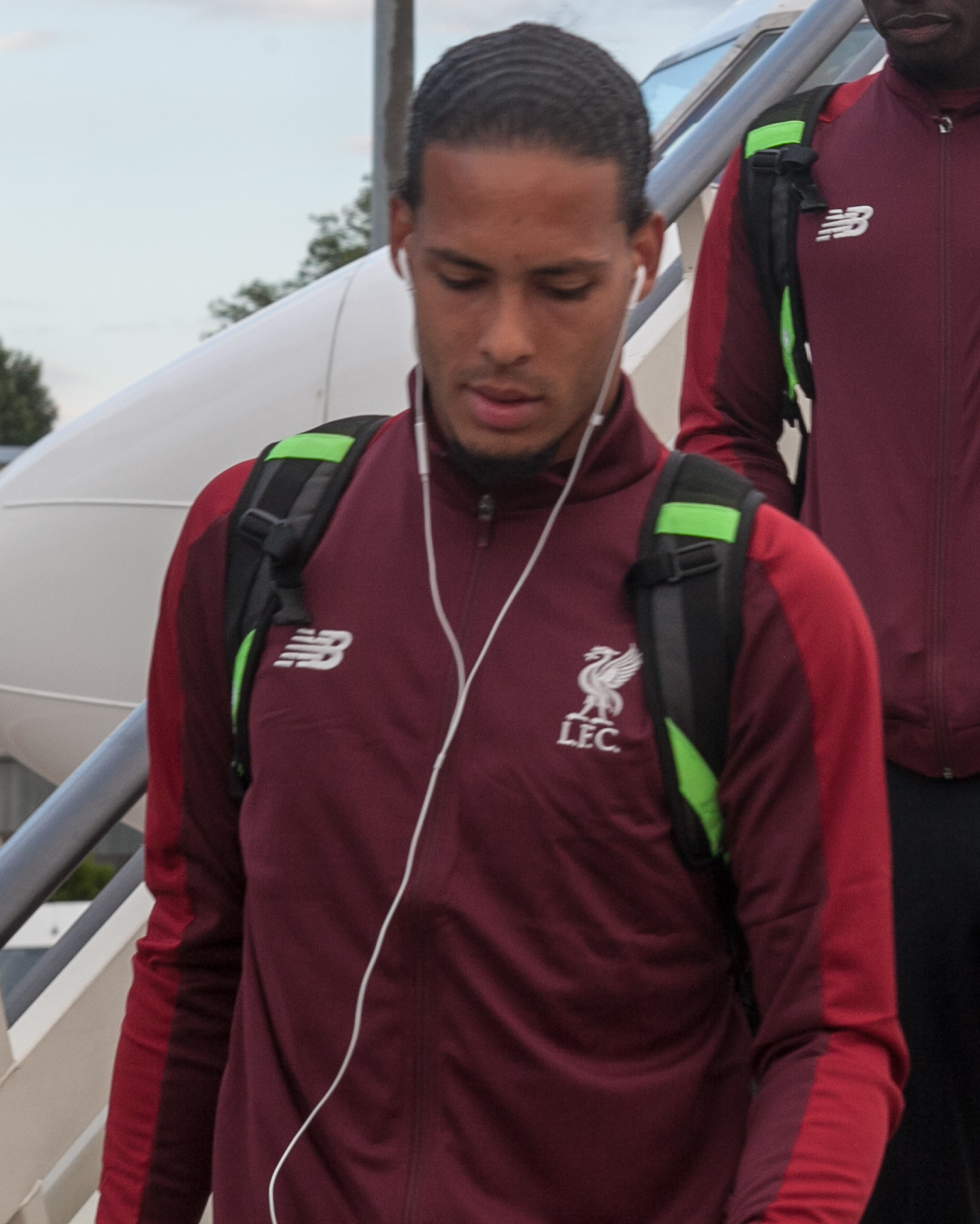
A centre-back challenges attackers, covers a partner and protects the box. Some also advance possession through carries and passes. Sergio Ramos, Gerard Piqué and Virgil van Dijk illustrate different combinations of defending and distribution; the best partnership balances pressure on the ball with cover behind.
Player examplesSergio Ramos · Gerard Piqué · Virgil van Dijk
Illustrative formation
Full-back: defending and providing width
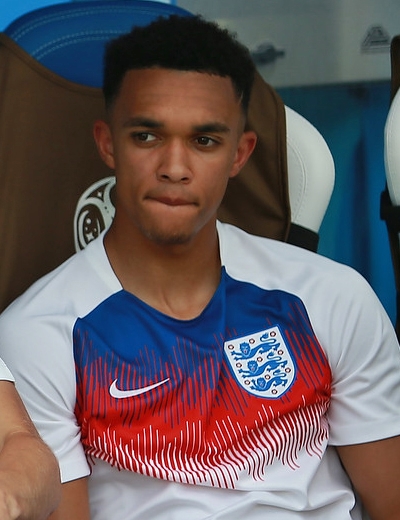
The full-back defends the flank but can also overlap a winger and deliver crosses. Cafu and Trent Alexander-Arnold show different attacking qualities. When the full-back advances, teammates need to protect the space left behind.
Player examplesCafu · Trent Alexander-Arnold
Illustrative formation
Wing-back: two jobs on one flank
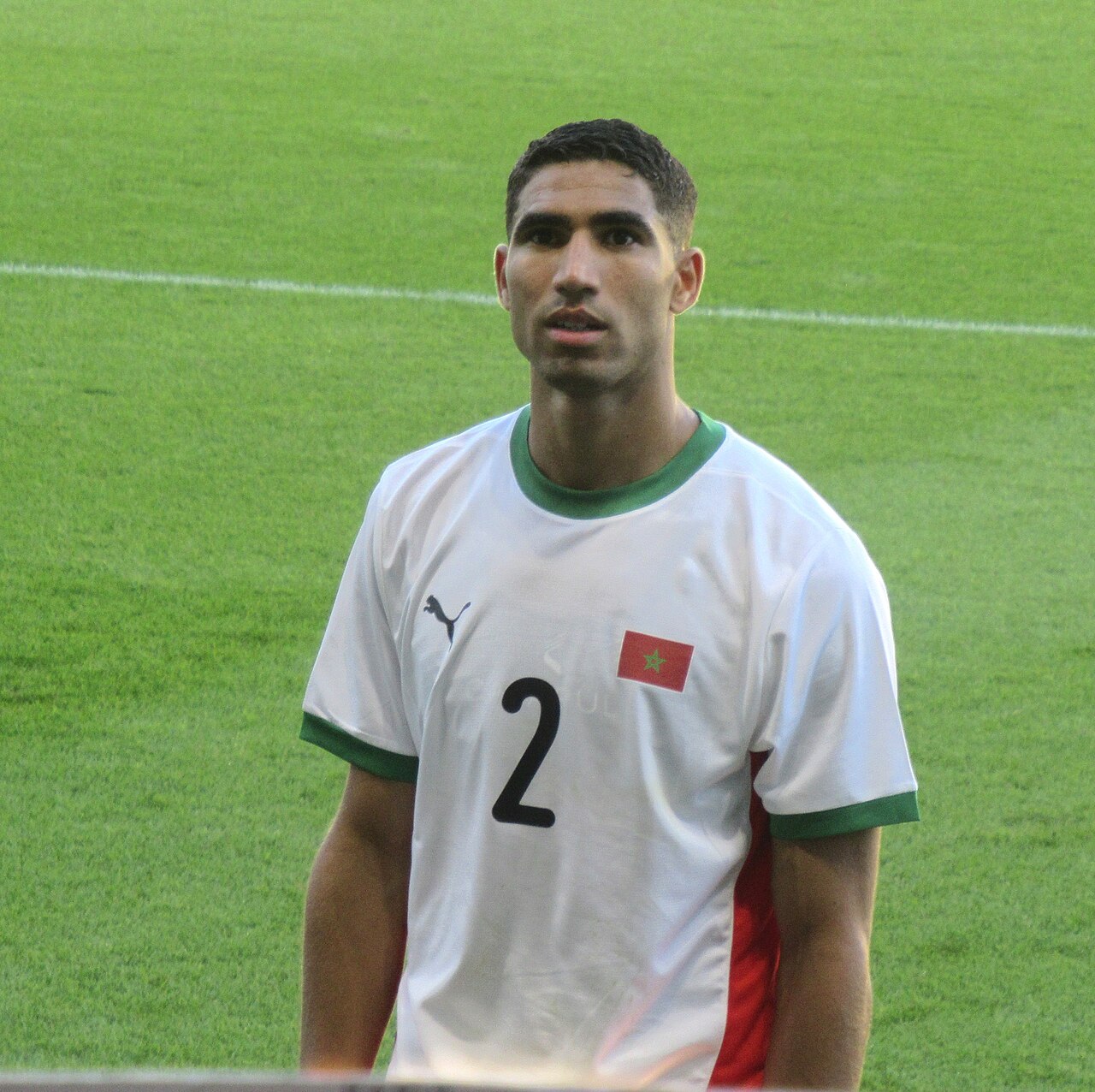
In a back-three system, a wing-back can supply attacking width and recover into the defensive line. Achraf Hakimi’s Inter period is a useful example. The role demands repeated runs and support from the wide centre-back when space opens behind.
Player examplesAchraf Hakimi · Victor Moses · Marcos Alonso
Illustrative formation
Inverted full-back: moving inside
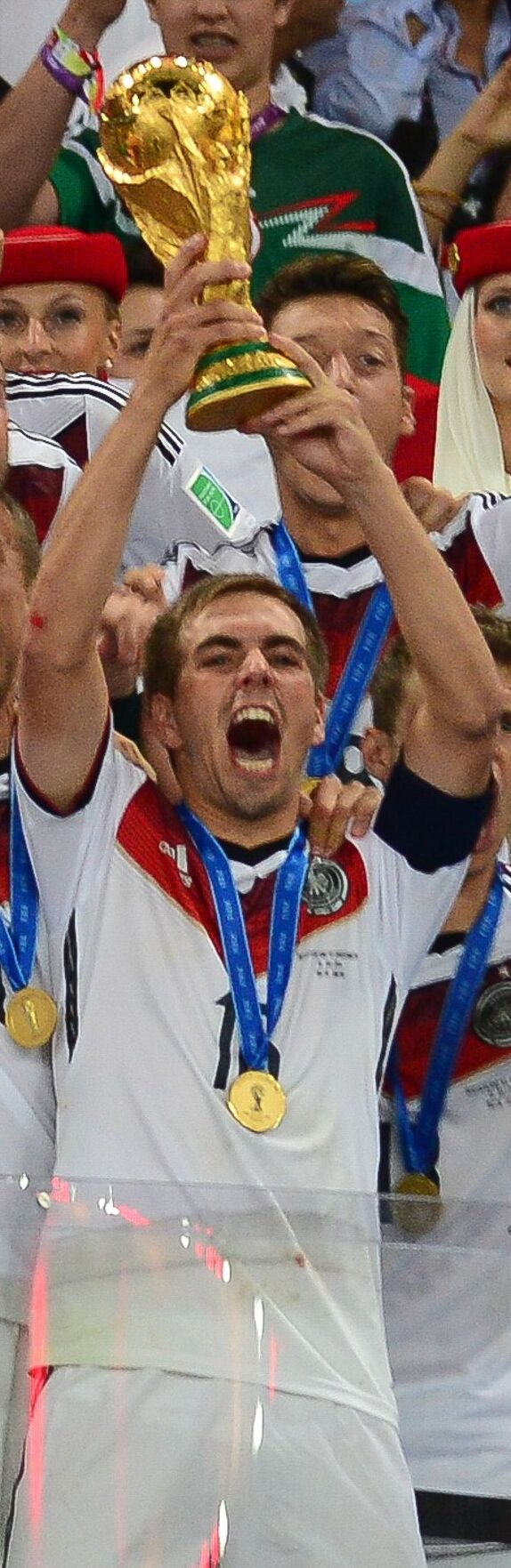
An inverted full-back steps into midfield in possession, creating a central passing option and potentially supporting protection after a loss. Philipp Lahm, Oleksandr Zinchenko and Trent Alexander-Arnold have interpreted the movement in different teams and roles.
Player examplesPhilipp Lahm · Oleksandr Zinchenko
Illustrative formation
Libero: the free defender
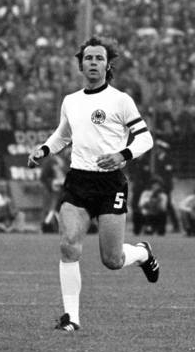
The traditional libero covered behind other defenders and could carry possession into midfield. Franz Beckenbauer expanded what a defender could contribute with the ball. Modern defenders stepping forward can echo the idea, although their starting roles and defensive lines differ from the historical libero.
Player examplesFranz Beckenbauer · Franco Baresi
Illustrative formation
Defensive midfielder: the shield
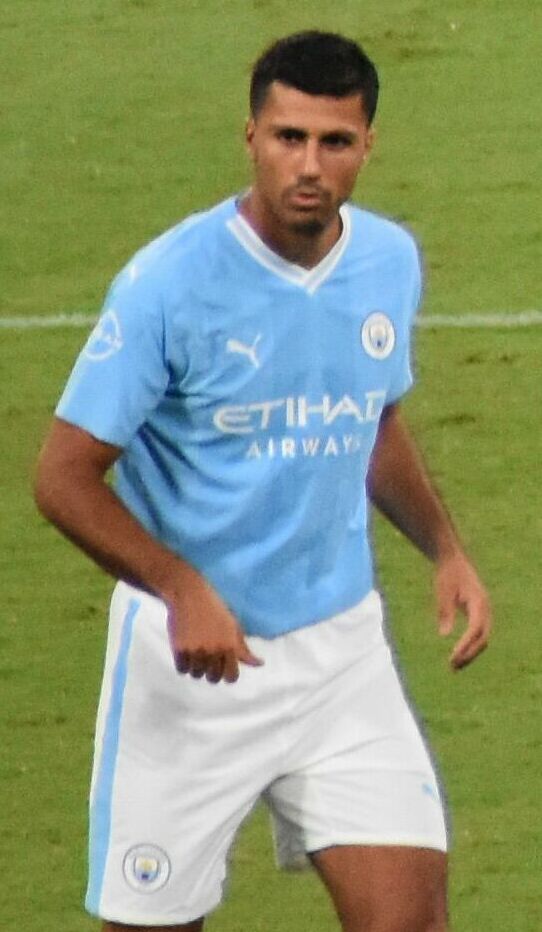
A defensive midfielder protects central space, offers an outlet and covers teammates who advance. Claude Makélélé, N’Golo Kanté and Rodri show different interpretations: interception, pressing, positional discipline and passing do not appear in equal measure in every player.
Player examplesClaude Makélélé · N’Golo Kanté · Rodri
Illustrative formation
Regista: the deep director
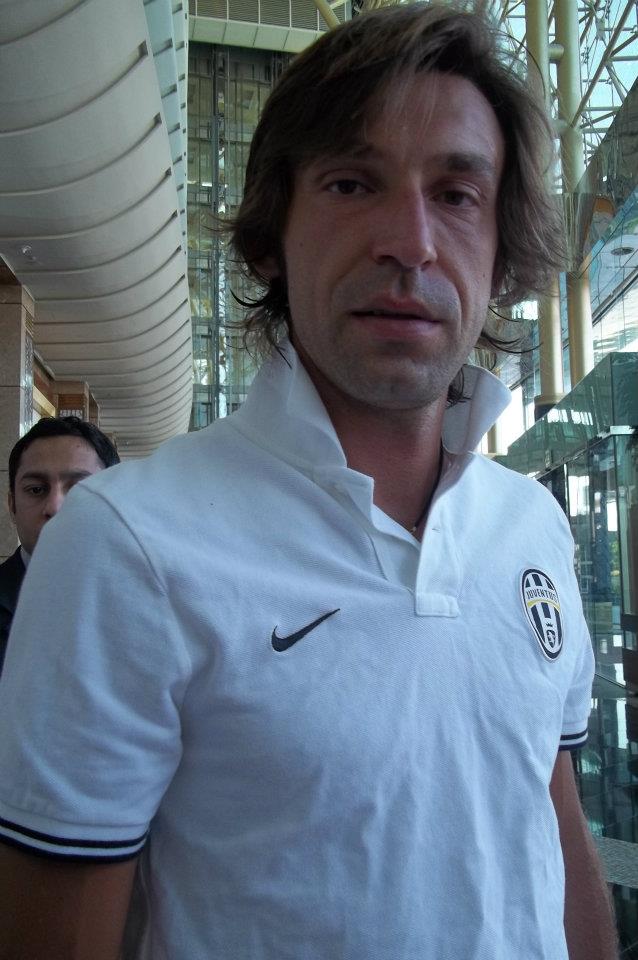
A regista directs possession from a deep midfield position. Andrea Pirlo and Toni Kroos offer examples of scanning, changing the angle and finding forward passes. A deep playmaker can contribute defensively too; the role is defined by organising possession, not an inability to defend.
Player examplesAndrea Pirlo · Toni Kroos
Illustrative formation
Box-to-box: the engine
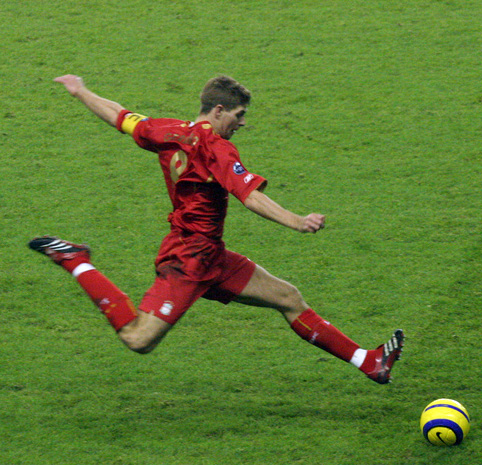
A box-to-box midfielder supports both boxes: defending deep, carrying possession and making runs into attack. Steven Gerrard and Federico Valverde illustrate the range of the role. Timing matters as much as distance covered.
Player examplesSteven Gerrard · Federico Valverde · Frank Lampard
Illustrative formation
Mezzala: finding the half-space
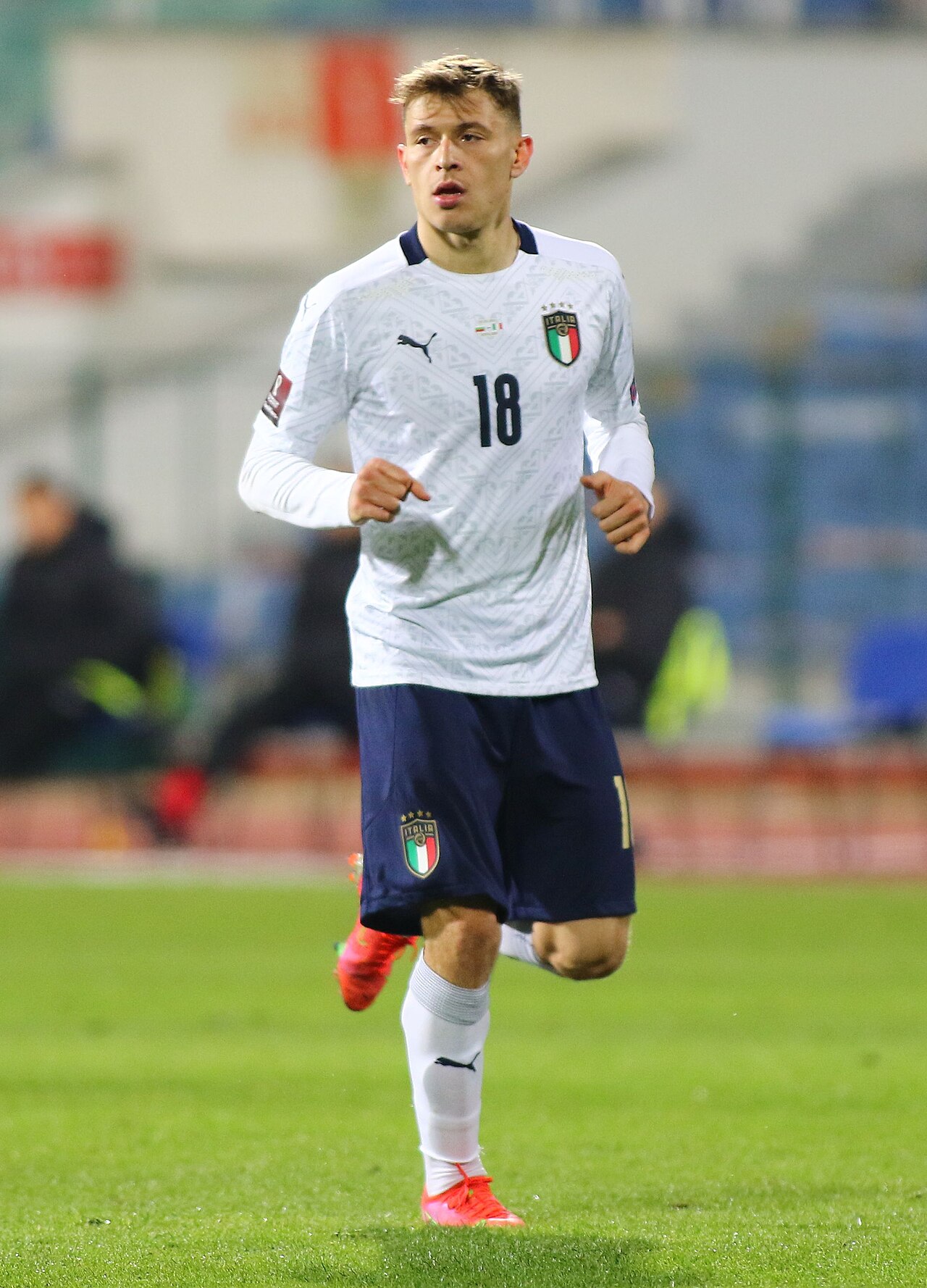
A mezzala starts centrally and moves towards the channel between centre and wing. Nicolò Barella and Kevin De Bruyne can illustrate how a midfielder receives there to combine, cross or attack space. A teammate must still preserve the balance behind.
Player examplesNicolò Barella · Kevin De Bruyne · Andrés Iniesta
Illustrative formation
Number ten: between the lines
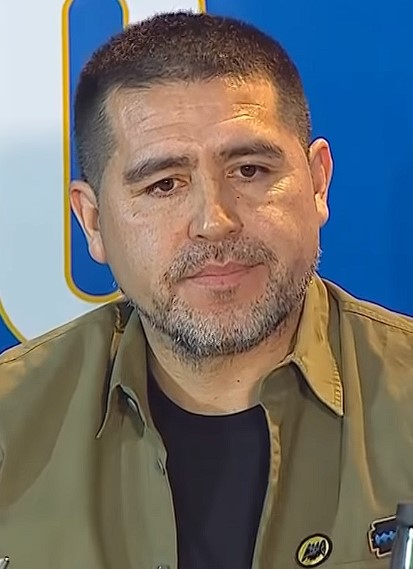
The number ten finds pockets between midfield and defence, receives under pressure and creates for teammates. Riquelme, Zidane and Özil approached the role differently. Modern attacking midfielders may also be central to their team’s pressing.
Player examplesJuan Román Riquelme · Zinedine Zidane · Mesut Özil
Illustrative formation
Winger: outside or inside
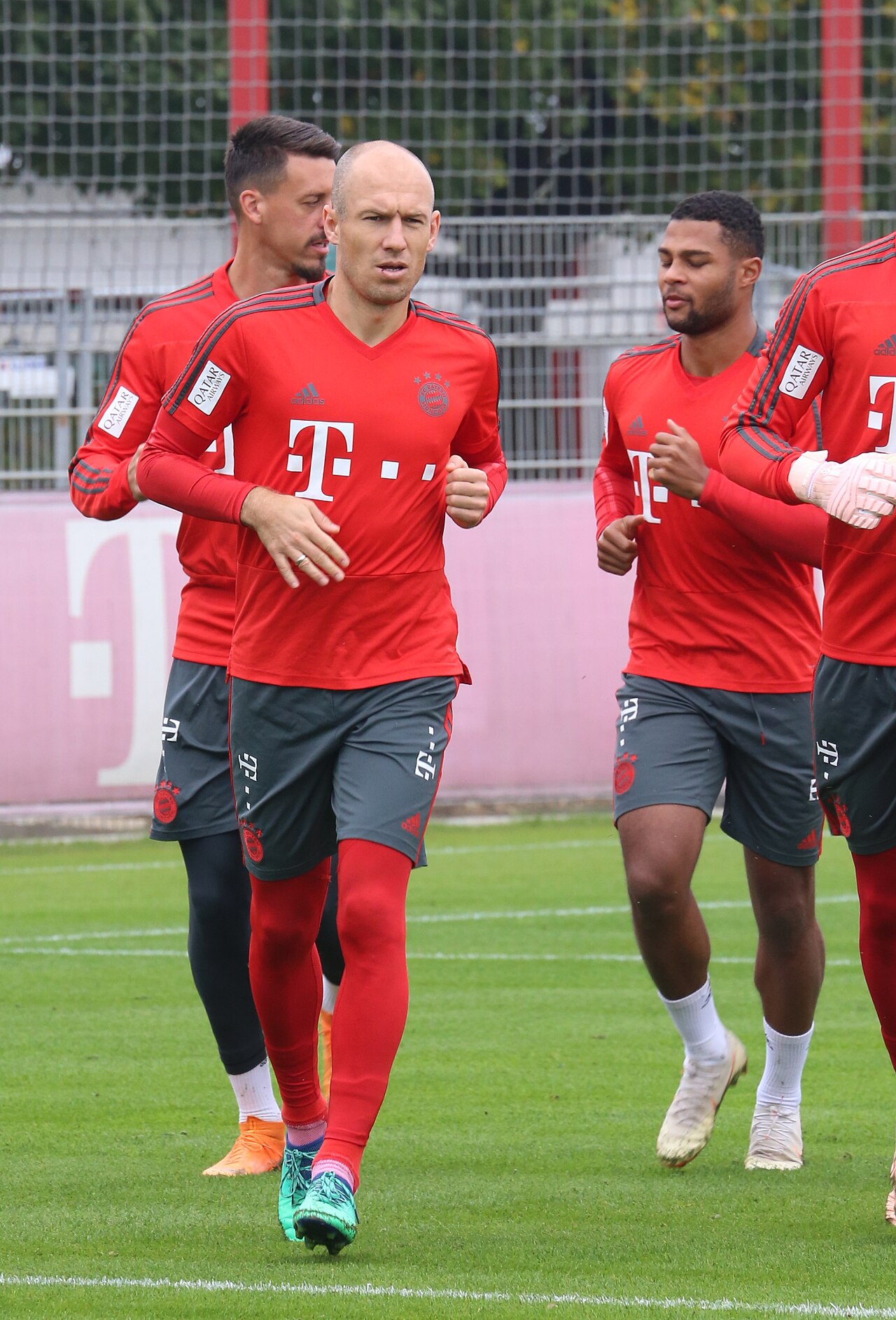
A winger can stay wide and cross, or move inside to shoot and combine. Arjen Robben’s runs from the right illustrate an inverted winger, while David Beckham represents another wide role. Players can alternate both actions regardless of their preferred foot.
Player examplesArjen Robben · Mohamed Salah · David Beckham
Illustrative formation
Striker: several ways to lead the line
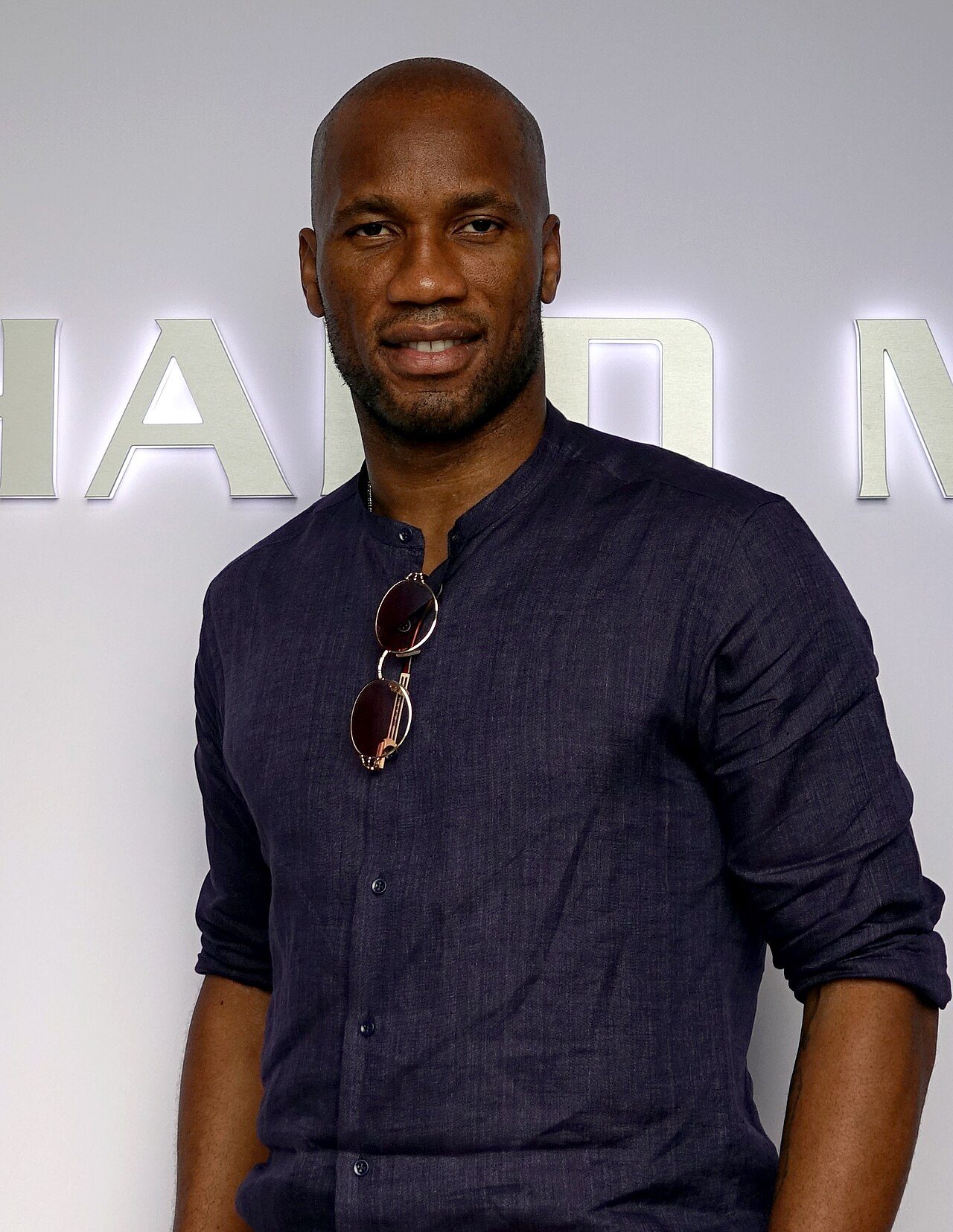
A poacher attacks chances in the box; a target forward holds the ball and brings teammates into play; a complete forward combines several skills. Inzaghi, Drogba and Kane represent different emphases. Pressing and supporting the team also shape a striker’s contribution.
Player examplesFilippo Inzaghi · Didier Drogba · Harry Kane
Illustrative formation
False nine: dropping away from the line
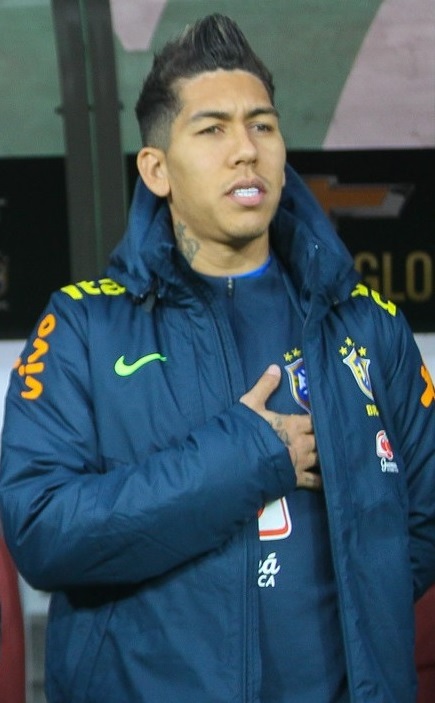
A false nine starts as a centre-forward but drops towards midfield to connect play and draw decisions from defenders. Messi’s Barcelona and Firmino’s Liverpool provide different examples. Runs by teammates into the vacated space are essential to the movement.
Player examplesLionel Messi · Roberto Firmino
Illustrative formation
Second striker: reading the space
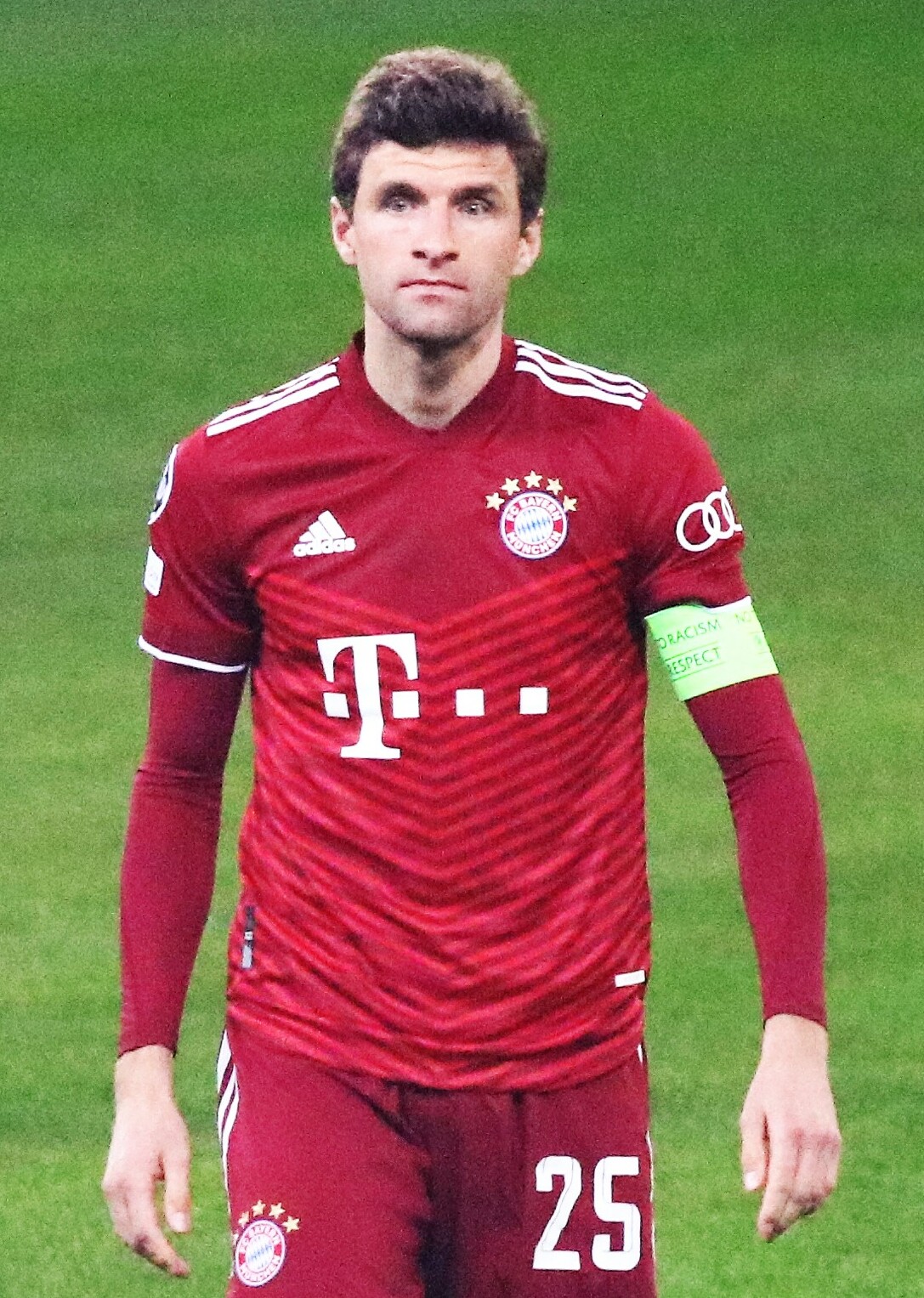
A second striker operates around the main forward, combining, pressing or arriving in space. Thomas Müller’s Raumdeuter interpretation highlights movement into gaps; Antoine Griezmann illustrates another way to link midfield and attack.
Player examplesThomas Müller · Antoine Griezmann
Illustrative formation
Read the relationship, not just the role
Roles are descriptions, not rigid boxes. Their value depends on teammates, opponents and the phase of play. Watch where a player moves, who replaces them and how the team protects itself when possession changes.